Back in May, it was announced that OSHA would be releasing a new set of rules and regulations for confined spaces in construction. Originally supposed to take full effect on August 3, 2015, but, due to some requests for additional time to gather necessary equipment and train crews, OSHA has issued a temporary enforcement policy.
If you missed the confined spaces ruling, catch yourself up on the rules changes by clicking the link below:
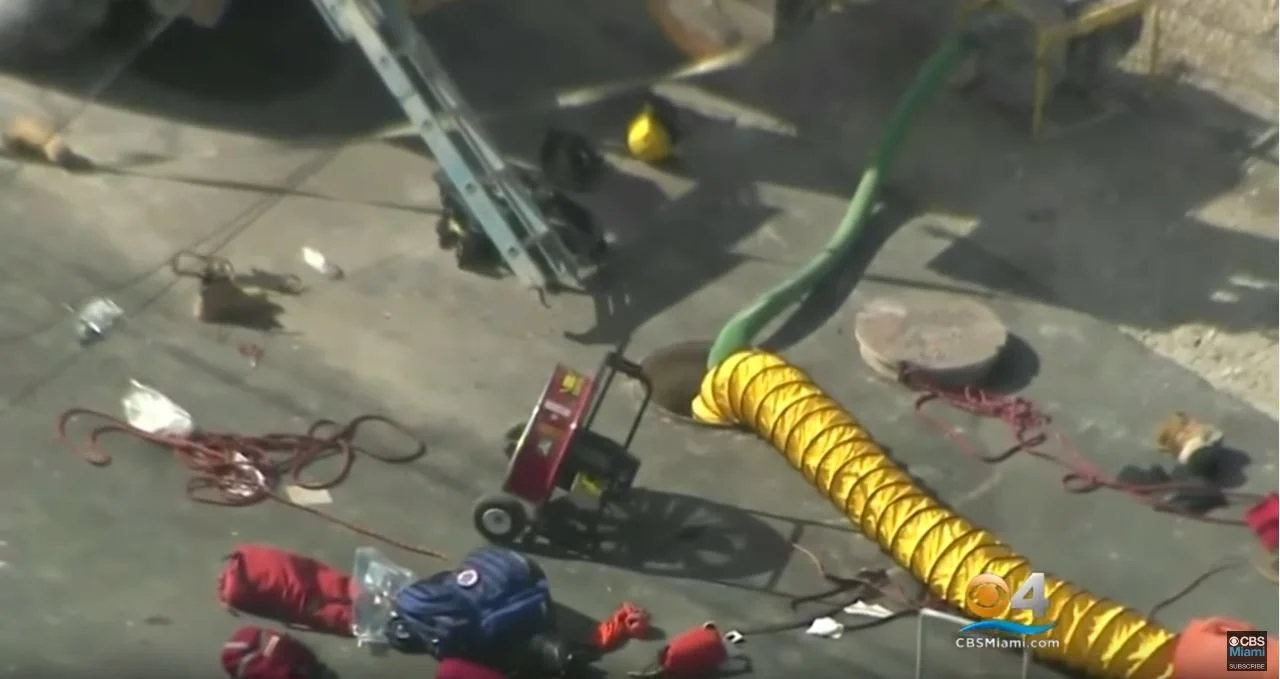
In January of this year, tragedy struck a Florida construction company when 3 construction workers died while working underground below a newly paved road. After the first worker entered the hole and collapsed after entering the confined space through a manhole, the second went in to rescue him and also collapsed, followed by the third. After a post-incident investigation, OSHA has released their findings, as well as several fines.
Tragedy struck a Florida construction company last week after 3 construction workers passed away while working underground below a newly paved road. Another volunteer firefighter is in critical condition, and possibly in a coma according to WSVN Miami, after entering the manhole trying to save the victims.
Effective August 3, 2015, OSHA will release a brand new standard on confined spaces on construction job sites. The safety organization hopes these regulations will prevent the roughly 780 major injuries and death that occur in enclosed and restricted spaces on the job every year. Some typical hazards in such spaces include minimal access to exit the space if needed, air quality hazards and flooding or collapse of the area.
From August 3, 2015 (when the confined spaces rules become effective) until October 2nd, 2015, OSHA will not issue citations to contractors who are making “good faith efforts” to comply with the confined spaces rules, but have some shortcomings. The 60 day temporary enforcement period still requires that employers be in compliance with the training requirements for either the new standard or old standard. If not, citations will be issued.
OSHA defines “good faith efforts” as:
- Scheduling training for employees as required by the new standard
- Ordering the necessary equipment to comply with the standard
- Taking alternative measures to educate and protect employees from confined spaces
The 60 day temporary enforcement period certainly isn’t a free pass to ignore the rule, but at least OSHA will be a bit more lenient, giving contractors some extra time to settle into the changes.
OSHA issues temporary enforcement policy for confined spaces in construction | OSHA
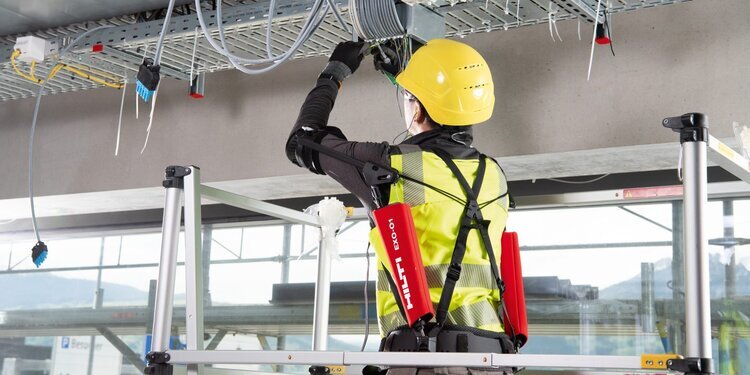
Last summer, Hilti announced that they had developed their first exoskeleton designed for construction tradespeople in a partnership with Ottobuck, a prosthetics, orthotics, and exoskeleton provider. Earlier this month, Hilti officially released the exoskeleton, announced more details, and published its retail price on their website.
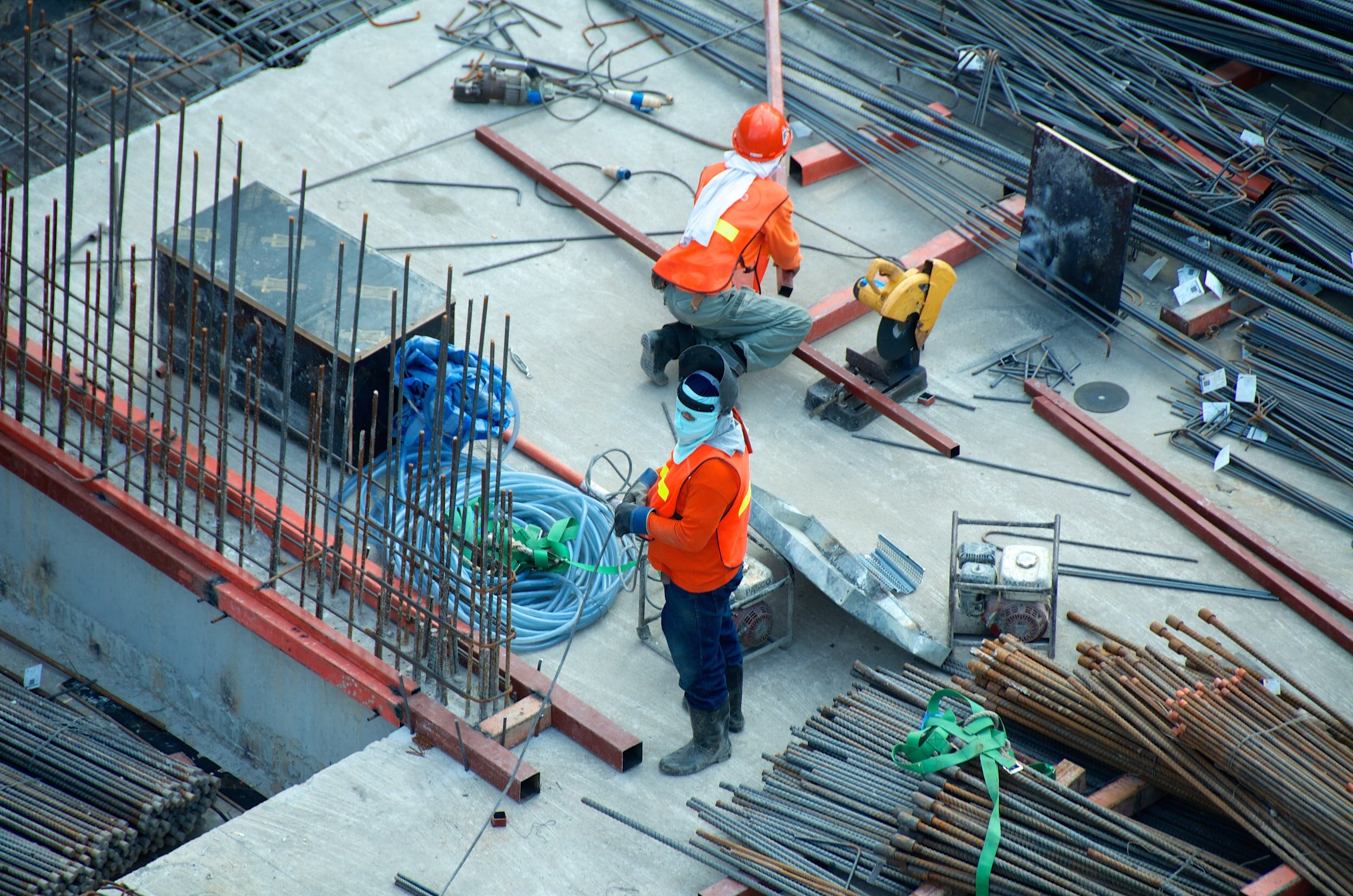
[guest post] It’s a morbid statistic, but the construction industry experiences more workplace deaths than any other. With so many potential hazards, heavy-duty machinery, and power tools, it’s perhaps not surprising that serious accidents are relatively commonplace.
Even though we’re over a year into the COVID-19 pandemic, the virus is still threatening the health of construction’s workers and taking a toll on project timelines. It’s likely that your company has already determined the best course of action to help mitigate the risk of spreading the virus on your jobsites, but it’s never too late to learn from another contractor.
It’s been a little over a year since the coronavirus pandemic sent the entire world into a period of uncertainty, heartache, and panic. The construction industry itself has undertaken many different challenges, above and beyond keeping their people safe on the jobsite, many of which no one could have expected.
“You make a better door than a window!” is what I imagine loader operators constantly yell at the bucket in front of them (or maybe I’m just projecting based on my experience of having the habit of sitting right in front of the TV as a kid). Either way, operators may not be yelling that in the future, as equipment manufacturer, Doosan, has introduced what they claim is an industry first “transparent” bucket.
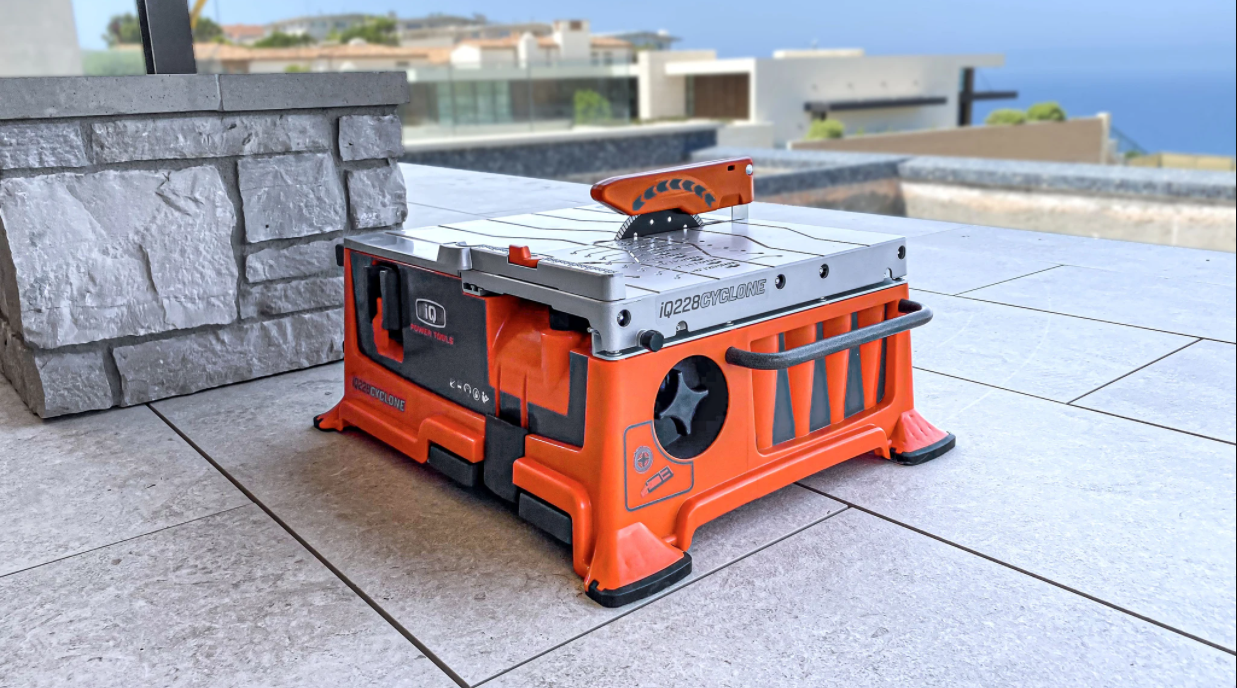
Reducing dust when cutting tile is important for many reasons (including safety and cleanliness), but wet tile saws can be a pain to use, with the slurry created spraying all around the work station and cold weather making the saw much more difficult to use outside. iQ Power Tools has a solution for that: the world’s first 7” portable dry table saw with integrated dust control.
In the construction industry, falls from height are continuously the leading cause of jobsite injuries, fatalities, and, as a result, OSHA citations. From May 3-May 7, OSHA invites construction employers and stakeholders to take part in their 8th annual National Safety Stand Down to Prevent Falls in Construction.
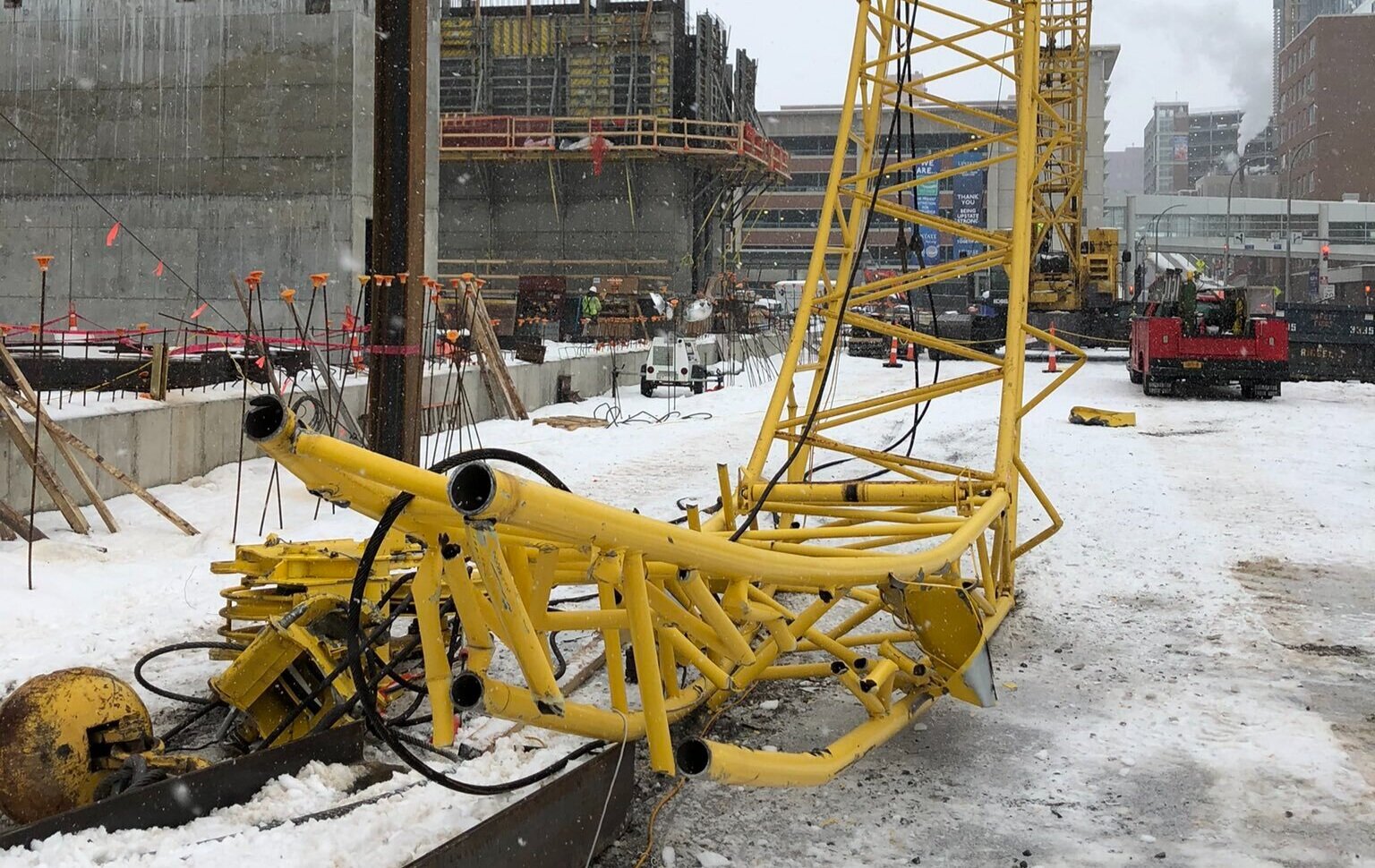
On Tuesday morning, February 23, the Syracuse Fire Department responded to a call about a collapsed crane on a construction site near the university. Thankfully, no injuries were reported.
It seems a little odd to be talking about air-conditioning when much of the United States hit some incredibly low temperatures in recent days, but a product that I learned about recently is just too exciting to ignore. Announced at CES 2021, a research company has unveiled an air-conditioned hard hat (ACHH) that can reduce the ambient temperature up to 22 degrees Fahrenheit!
2020 was a challenging year in many respects, but none greater than from a safety standpoint. The coronavirus pandemic placed the notion of “people over profits” under the microscope, while also balancing the needs of their employees to continue to make an income under difficult circumstances. While the pandemic was a large part of the construction safety conversation last year, there were several other developments to take note of for your projects in the future.

Safety training in the construction industry is necessary to build worker awareness – not to mention that it’s legally required – but it can be extremely time consuming and expensive to have completed. There are many companies out there looking to make money off of keeping workers safe, which is why it’s great when a company offers training free of charge, like Procore’s Safety Qualified program.