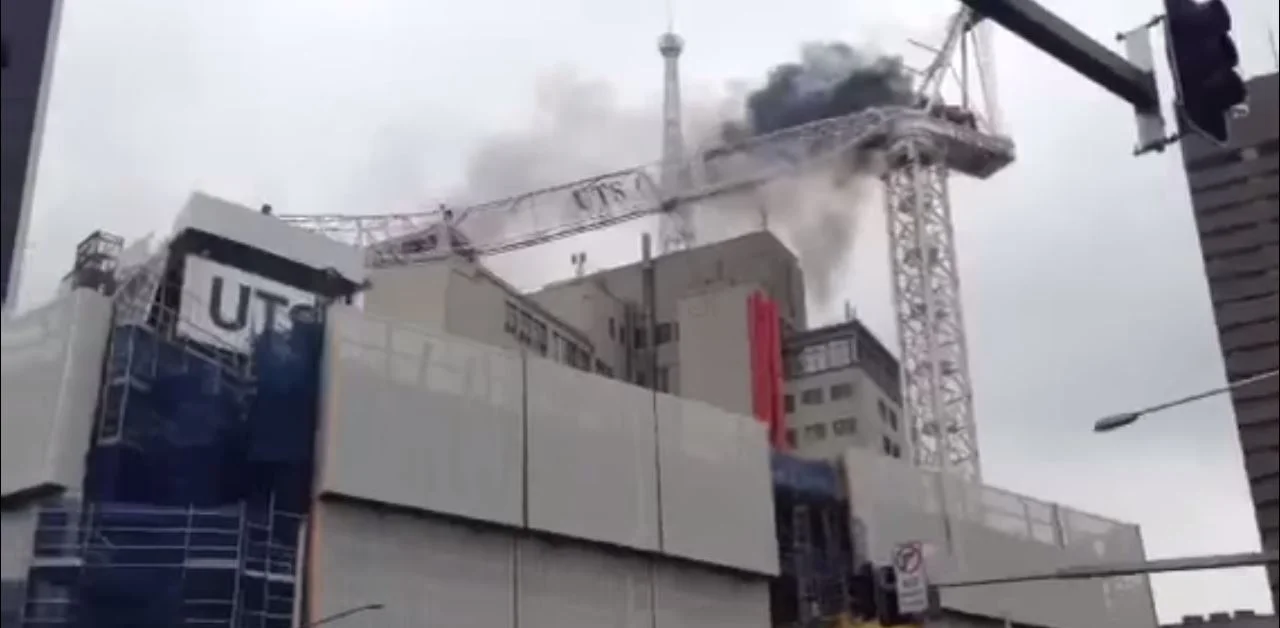
Cranes are a staple on the construction site, but can cause devastating consequences if something goes wrong and they happen to collapse. In the best case scenario, thousands of dollars worth of equipment or building damage is created and, in the worst case scenario, people’s lives are lost.
Read moreOSHA Postpones Full Enforcement of New Confined Spaces Rules in Construction

Back in May, it was announced that OSHA would be releasing a new set of rules and regulations for confined spaces in construction. Originally supposed to take full effect on August 3, 2015, but, due to some requests for additional time to gather necessary equipment and train crews, OSHA has issued a temporary enforcement policy.
Read moreConstruction Groups Combine Forces to Keep Drugs and Alcohol Off the Job Site

Photo by Eneas DeTroya, CC BY 2.0
Construction job sites are one of the most dangerous places to work at in America and the presence of drugs and alcohol only make it more dangerous. Construction workers need to stay alert and be able to adjust quickly to their surroundings to avoid injury and, as we all know, being under the influence slows response time. That's why a group of construction organizations have teamed up to help contractors achieve a drug and alcohol free workplace.
Read moreNIOSH Finds Simple Solution to a Common Hazard
Photo by Ben Ferenchak, CC BY 2.0
The National Institute for Occupational Safety and Health (NIOSH) has recently published a new study that finds a low cost solution to harmful silica dust. Inhaling silica dust, which is commonly found in fiber-cement siding, can lead to a lung disease called silicosis, which is deadly. While silicosis is preventable now, it's estimated that 100 people still die from it each year.
Read moreConstruction Worker Tries to Catapult Hard Hat onto His Head, Fails Miserably
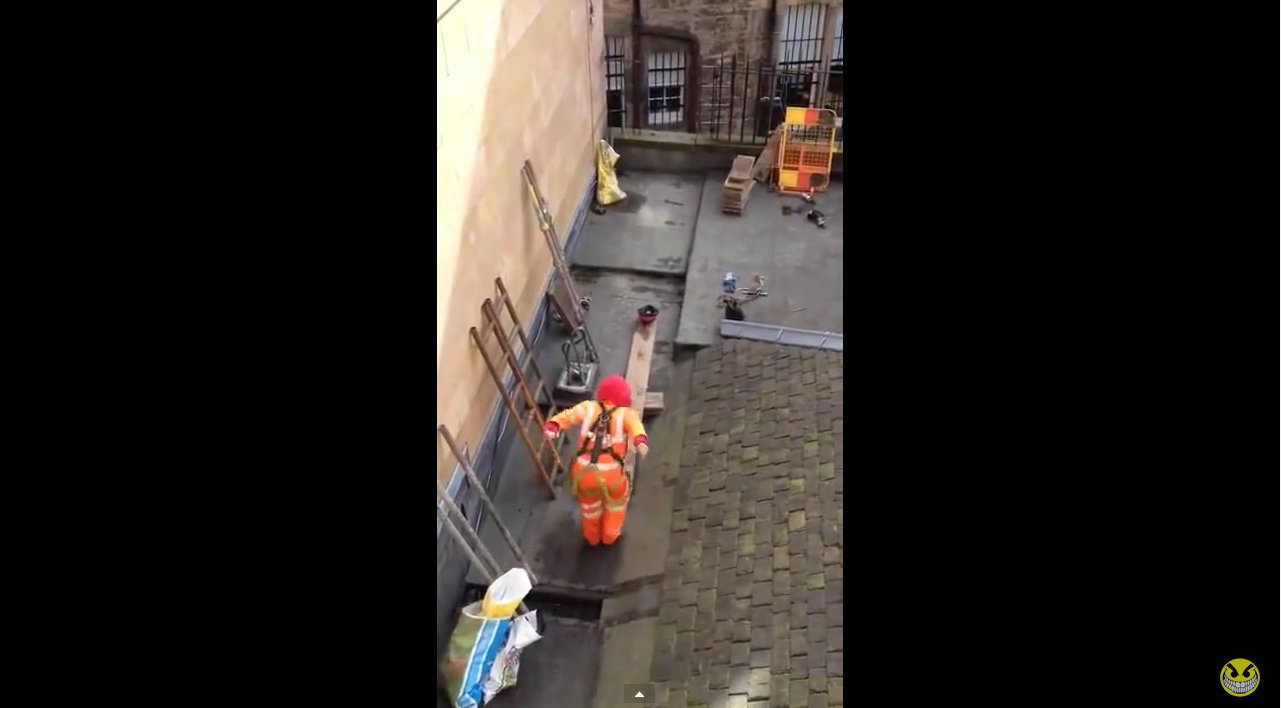
The video below shows a Scottish construction worker cleverly trying to land a hard hat on his head by creating a catapult with a piece of lumber. It doesn't go very well.
Read moreWhat to Do if You Find an Underground Storage Tank on Your Construction Job Site

Photo by the US Army Environmental Command
According to the Environmental Protection Agency (EPA), there are over 500,000 underground storage tanks (USTs) in the United States that contain petroleum or other hazardous substances. The materials held in many USTs are dangerous to the earth and to humans if they are released from the tank. Find out what you should do if you find a UST on your job site...
Read moreCool Tools: Zero-Noise & Zero-Emissions Mobile Power Source

Photo courtesy of Boulder Power Technologies
Generators are great for supplying power to job sites where temporary power is not yet available, but, unfortunately, the loud noise and gasoline fumes also accompany the convenience. This can be especially problematic near residential neighborhoods where noise restrictions are in place, and in enclosed spaces, which cause hazardous air quality conditions for your employees. Boulder Power Technologies has just released a solution to this problem...
Read moreThe seashell-inspired material inspiring a new wave of safety gear in sport

Photo by David Eickhoff, CC BY
The risk of injury in professional sport has been a central feature in recent debates about how well protected our stars are. Only recently, Argentine football player Emanuel Ortega died of a fatal head injury after hitting a concrete wall during a game. Find out about the new technology that hopes to reduce head injuries...
Read moreMIT Researchers Have Discovered How to Visually Capture the Motion of Cranes

MIT
Anyone who has actually been close to a tower crane hundreds of feet in the air knows just how much they can sway and move. The problem is...how do we measure it?
Read moreOSHA Develops App for Heat Safety

The construction busy season is upon us and, unfortunately, so is the blistering heat and humidity. Heat related illnesses are a serious concern in the construction industry and OSHA has put forth a campaign to raise awareness for prevention. Heat related illnesses include heat stroke, heat exhaustion, heat cramps, and heat rash, and perhaps more importantly, their symptoms present very dangerous circumstances on a construction job site. Many of the illnesses can cause fainting, confusion, dizziness, weakness, and other pain, so you can imagine how that would cause issues with someone working 20 feet in the air needing to climb up and down ladders and scaffolds.
Read more
Quisque iaculis facilisis lacinia. Mauris euismod pellentesque tellus sit amet mollis.